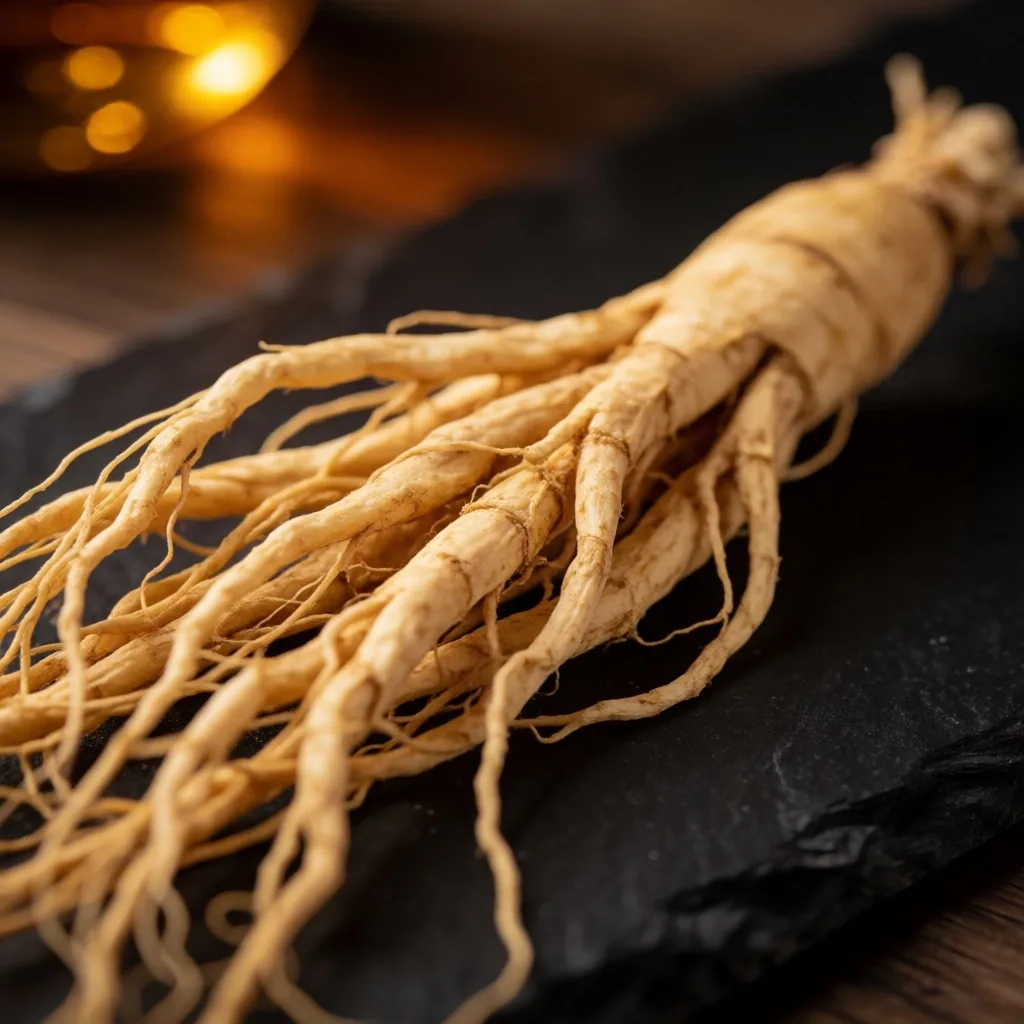
01 · Adaptogen
 Nutrisindo
Visit Us
Jl. Salemba Raya No. 40, Senen
Jakarta Pusat, 10440
+62 21 398 3851
Mon–Fri: 09:00–18:00 WIB
Ingredient Guide · 08 Specimens
The effectiveness of any supplement depends entirely on the quality and selection of its ingredients. At Nutrisindo, we curate botanical extracts and essential minerals chosen for their benefits to men's health — this guide details where they come from and how they support your body's natural functions.
01 · Adaptogen
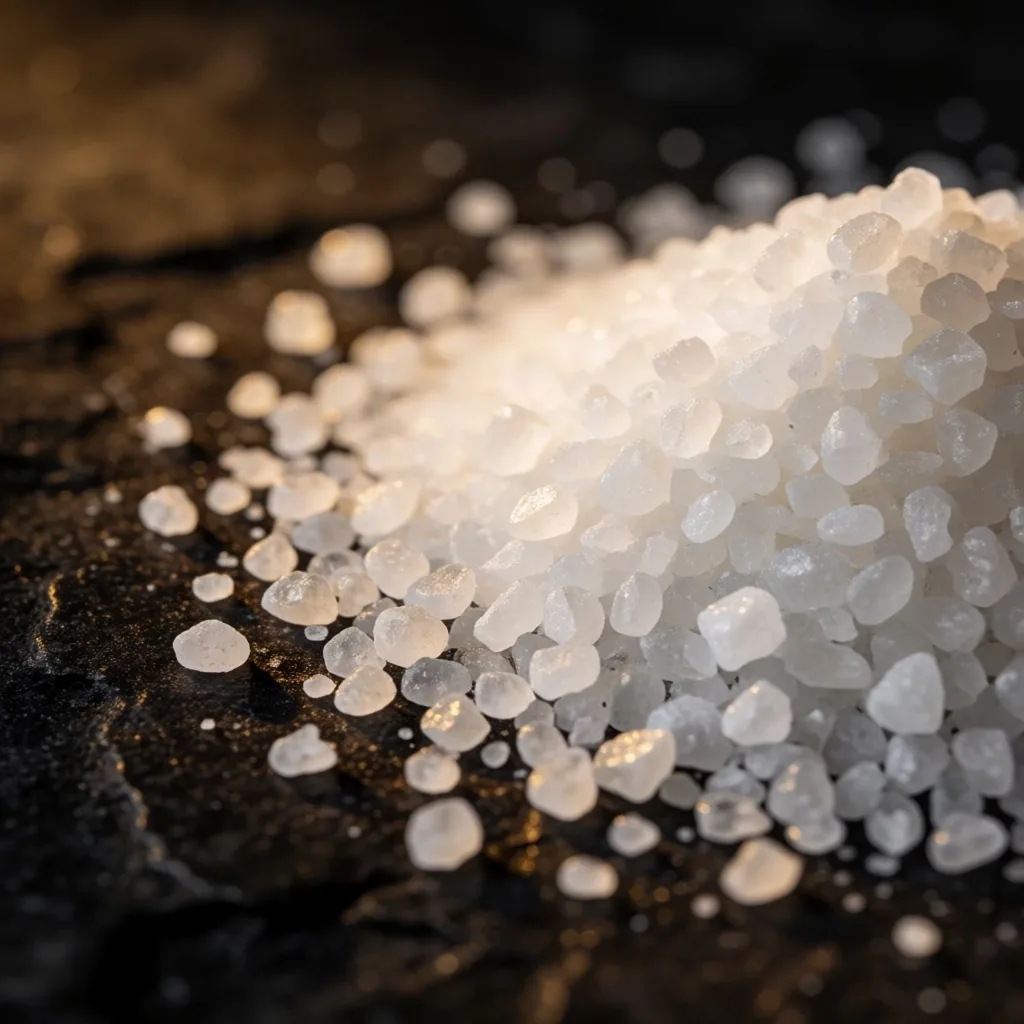
02 · Mineral
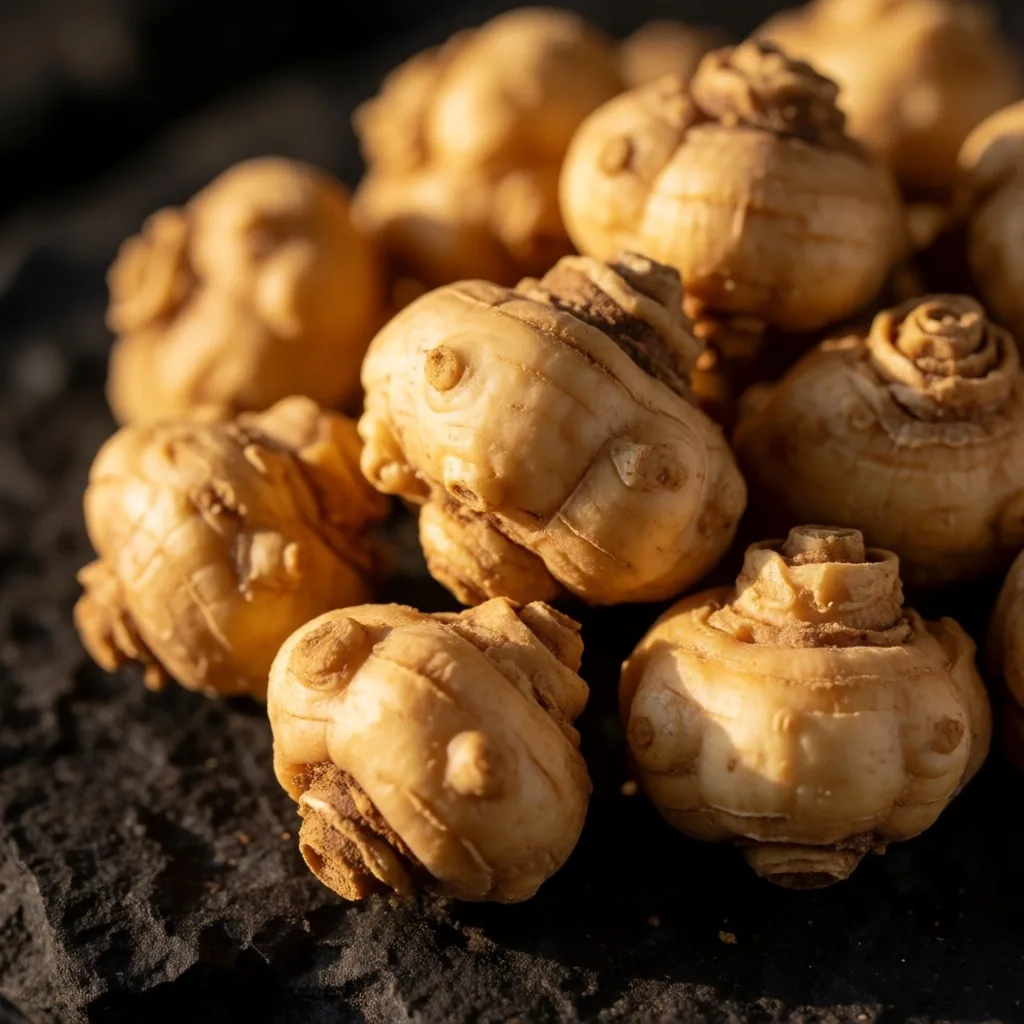
03 · Andean Root
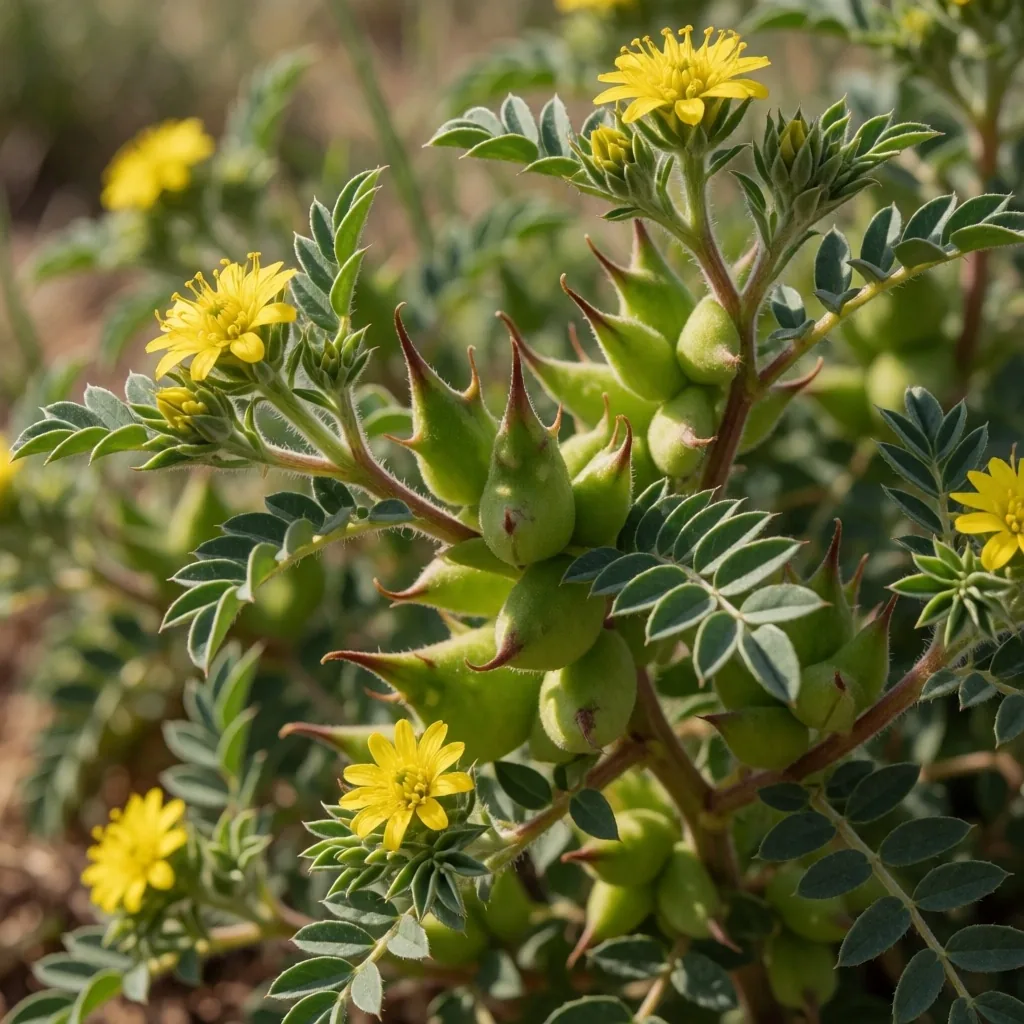
04 · Mediterranean Herb
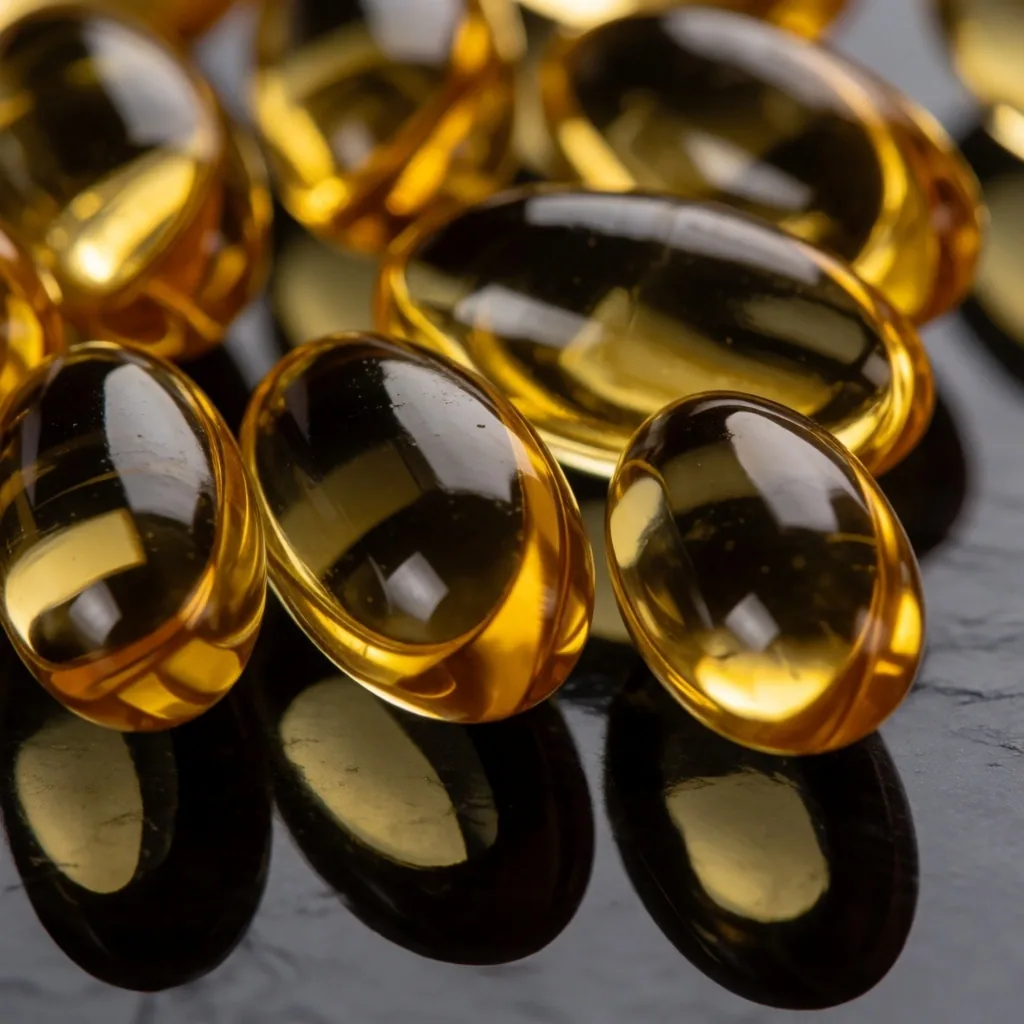
05 · Fatty Acid
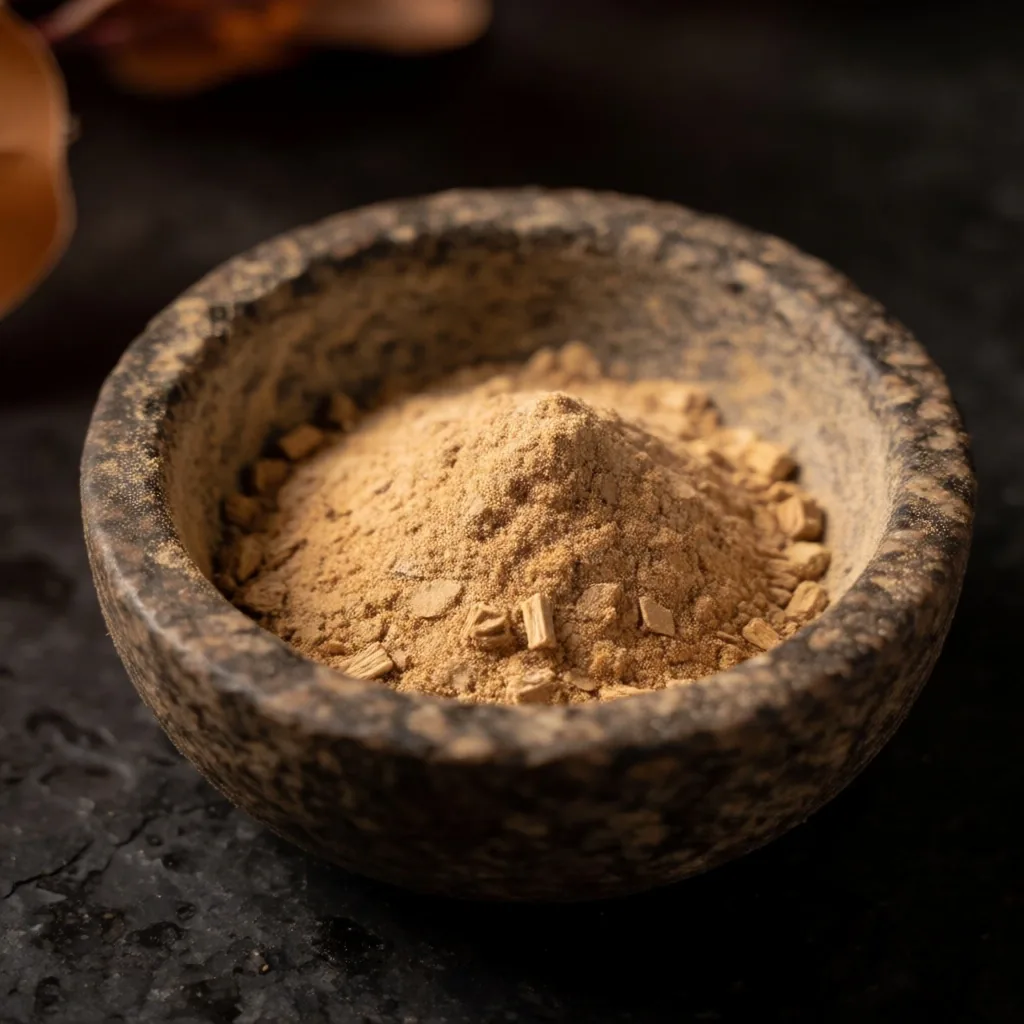
06 · Adaptogen
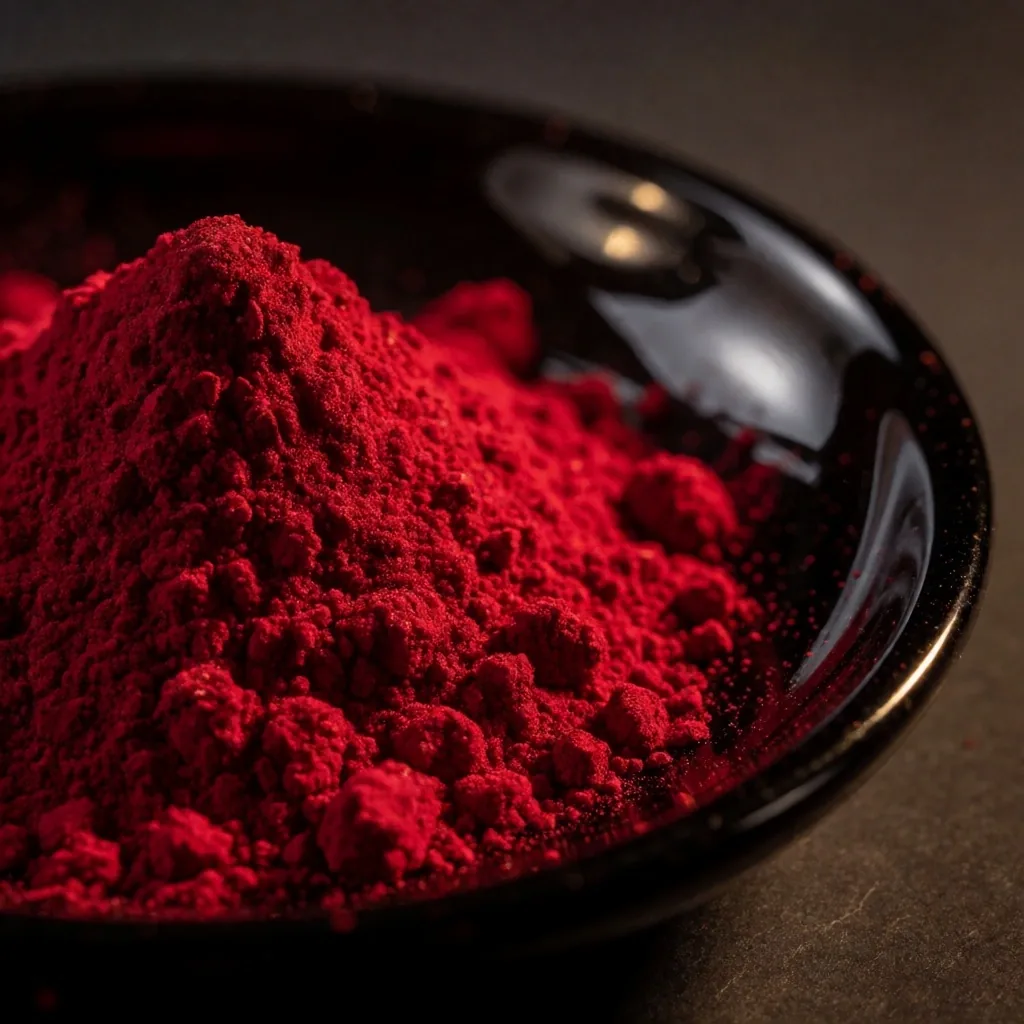
07 · Vitamin

08 · Vitamin
How to read this guide
Every entry below follows the same structure: where the ingredient grows or is sourced, which compounds do the actual work inside your body, and why we include it in our curation for men's daily health. We focus on the raw material — the root, the mineral, the oil — rather than the marketing language around it.
Think of this as a workshop reference, not a catalogue. Each ingredient earns its place because it addresses a specific area of men's wellness: energy metabolism, stress resilience, physical recovery, circulatory health, or immune support. The guide is informational — it explains what these substances are and how they function, so you can make informed choices about what belongs in your daily routine.
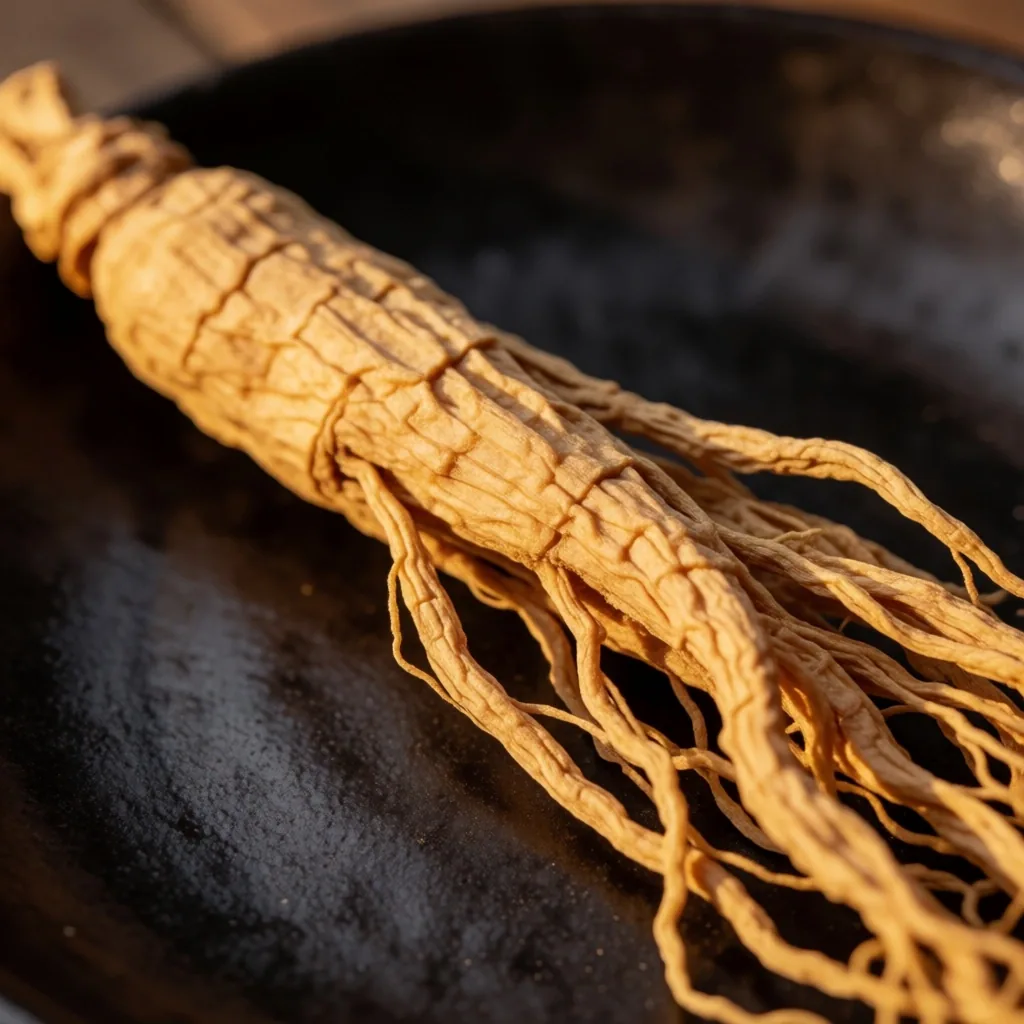
Fig. 01 · Panax quinquefolius
Panax Ginseng, often called Korean Ginseng, has anchored traditional wellness practices for centuries. It belongs to a category of botanicals known as adaptogens — compounds that help the body resist and recover from physical and environmental stress without acting as a stimulant. The root itself takes six years to reach harvest maturity, accumulating ginsenosides — the active saponins responsible for its effects.
In modern supplementation, ginseng is valued for its ability to support mental clarity and sustained physical endurance during long days of work or exercise. The ginsenoside family interacts with the central nervous system to promote alertness without the crash associated with caffeine. For men balancing demanding schedules, it serves as a daily anchor for resilience.
Origin
Korean peninsula, northeastern China
Key compounds
Ginsenosides (Rg1, Rb1, Rg3)
Supports
Mental clarity, physical endurance
Zinc is an essential trace mineral that the human body cannot produce or store in significant quantities. It must be consumed regularly through food or supplementation. We focus on two specific forms — Zinc Gluconate and Zinc Picolinate — because both demonstrate high bioavailability, meaning the digestive system absorbs them efficiently rather than passing them through unused.
Zinc participates in over three hundred enzymatic reactions. It supports healthy skin by aiding collagen synthesis, assists in protein formation for muscle maintenance, and plays a structural role in the body's natural defense mechanisms. For men, maintaining adequate zinc intake is tied to sustained energy production and cellular repair — two processes that underpin everyday physical performance.
The difference between gluconate and picolinate is the molecule zinc binds to: gluconate pairs it with gluconic acid for gentle absorption, while picolinate pairs it with picolinic acid, which some individuals absorb more readily. Both forms avoid the nausea sometimes reported with cheaper zinc oxide.
Origin
Refined mineral deposits
Key forms
Gluconate, picolinate
Supports
Skin, protein synthesis, immunity
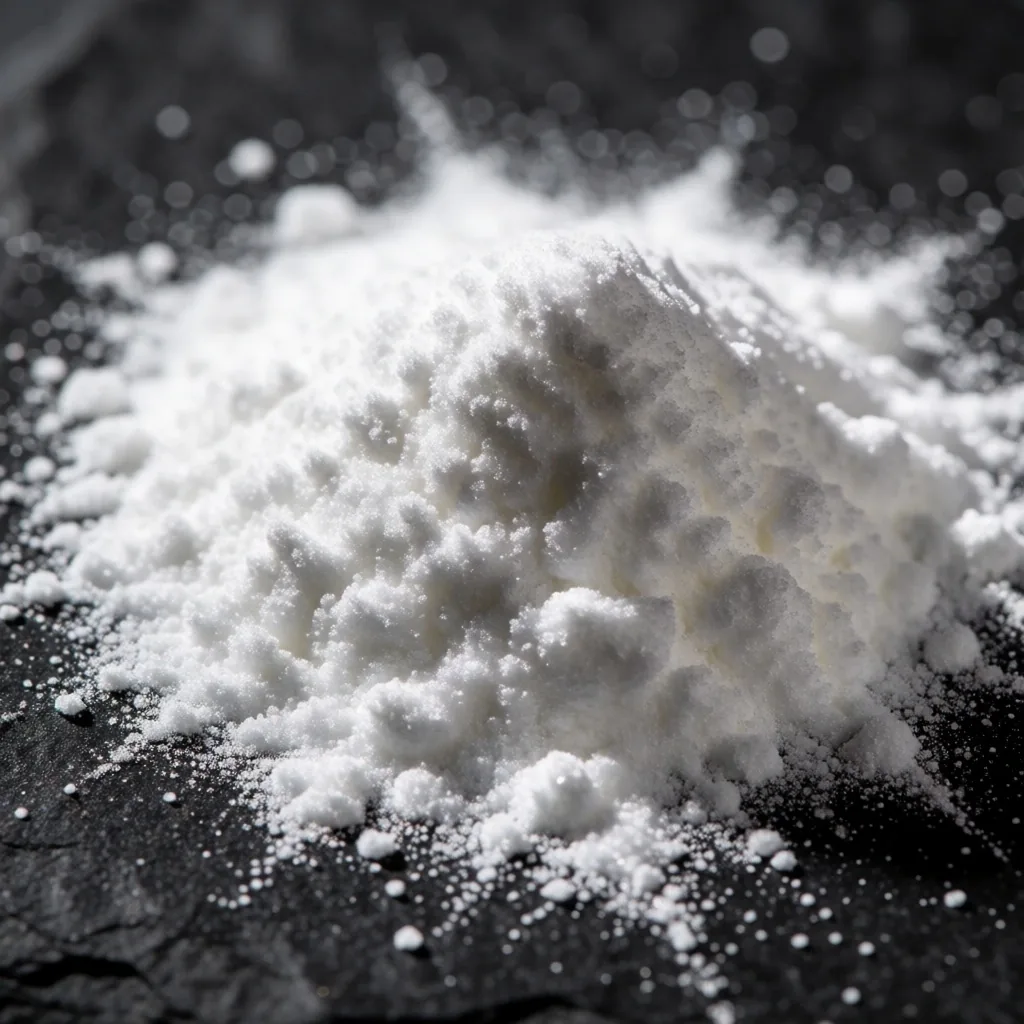
Fig. 02 · Zinc crystalline powder
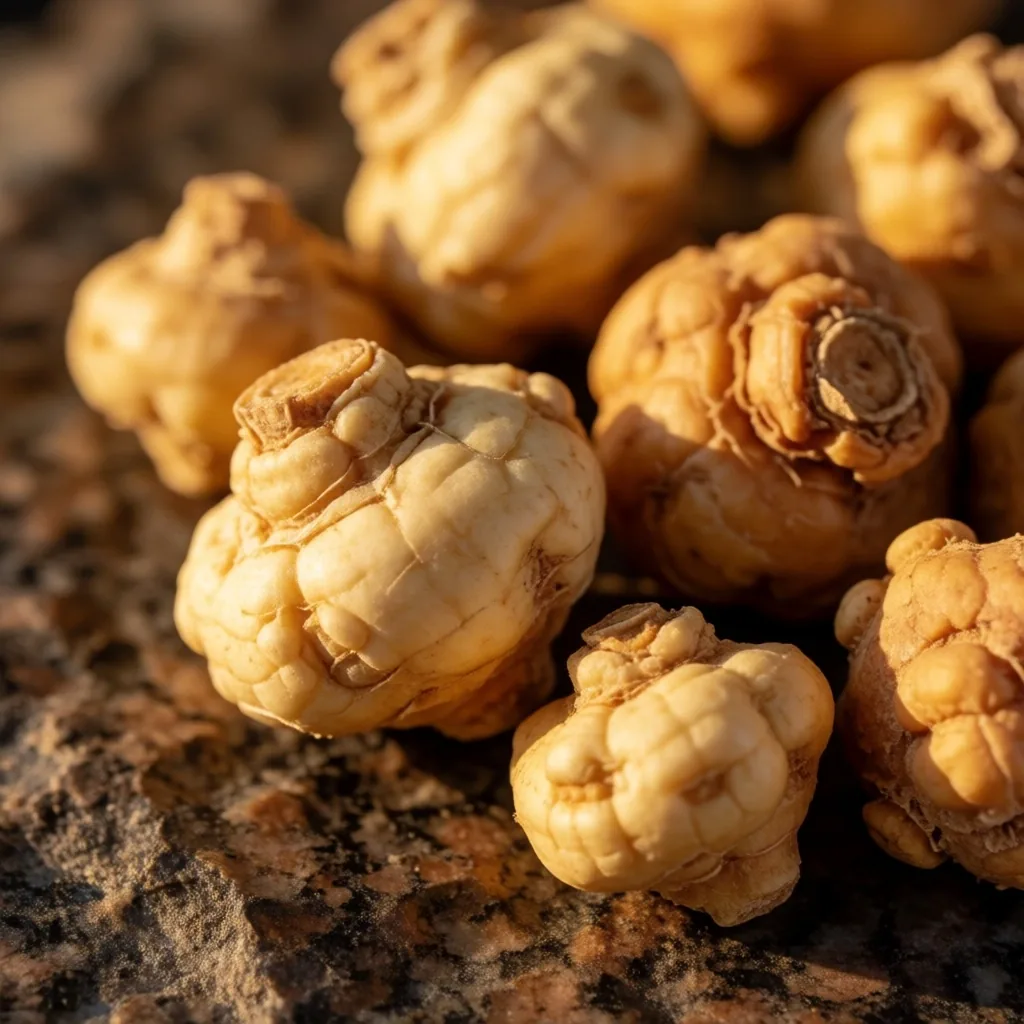
Fig. 03 · Lepidium meyenii
Maca Root grows at altitudes above 4,000 meters in the Junín plateau of the Peruvian Andes, making it one of the few edible crops that survives at that elevation. It is a cruciferous vegetable — related to radish and turnip — and develops a dense nutritional profile as a survival response to the harsh high-altitude environment.
The root is rich in amino acids, B vitamins, iron, and copper. Its appeal for men's health lies in how it supports energy balance and hormonal stability without functioning as a stimulant. Maca contains no caffeine; its effects build gradually through consistent daily intake, making it a fit for men who want sustained stamina without the peaks and crashes of energy drinks.
After harvest, maca is traditionally sun-dried for several weeks, which concentrates its nutrients. The dried root is then gelatinized — a process that removes starch to improve digestibility — before it is milled into the powder used in supplementation.
Origin
Junín plateau, Peru
Key compounds
Amino acids, macamides, glucosinolates
Supports
Energy balance, stamina, well-being
Tribulus Terrestris is a low-growing plant native to the Mediterranean and subtropical regions across Europe, Asia, and Africa. It produces hard, spiny seed pods — the origin of its common name, puncture vine — and has been used in traditional herbalism for centuries, particularly in Ayurvedic and Chinese practice.
Modern interest focuses on the plant's steroidal saponins, specifically protodioscin. These compounds are believed to support muscle health and general physical performance by interacting with the body's natural regulatory pathways. For men who train regularly or maintain physically demanding routines, tribulus serves as a plant-based option for sustaining vitality through natural means.
The standardization of saponin content matters. Extracts are typically standardized to 40–90 percent saponins, with the higher concentrations yielding more consistent results. We prioritize extracts that disclose their protodioscin percentage, because that specific saponin carries the primary activity.
Origin
Mediterranean, subtropical Asia
Key compounds
Steroidal saponins, protodioscin
Supports
Muscle health, physical performance
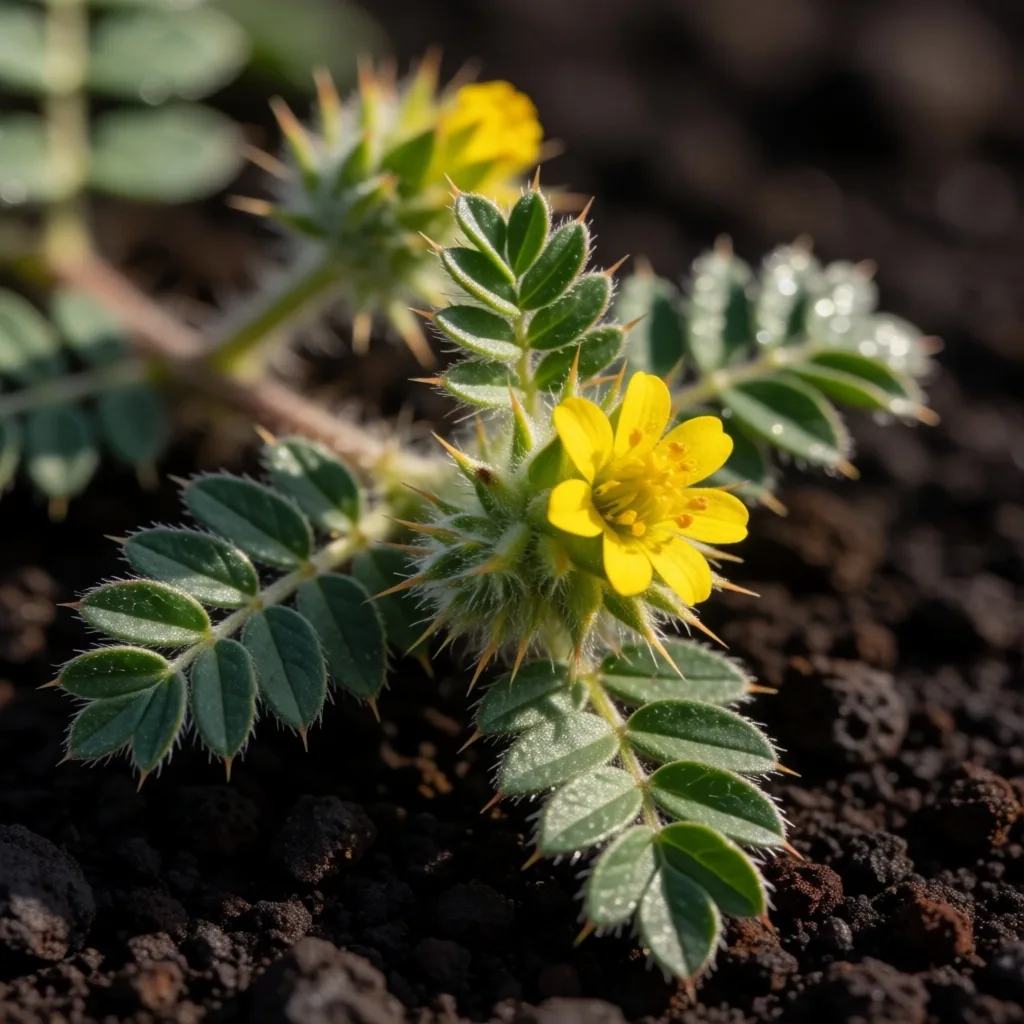
Fig. 04 · Tribulus terrestris
Omega-3 fatty acids are long-chain polyunsaturated fats that the body cannot manufacture internally. They must come from food or supplementation. We source from high-quality fish oils or, for those who prefer a plant-based route, from algae — the original producers of EPA and DHA in the marine food chain.
EPA (eicosapentaenoic acid) and DHA (docosahexaenoic acid) are the two functional forms. EPA helps manage oxidative stress and supports circulatory health by maintaining the flexibility of blood vessels. DHA is a structural component of cell membranes throughout the body, with particularly high concentration in the brain and retina, where it supports cognitive function.
Together, EPA and DHA form the structural backbone of any comprehensive nutritional plan. They work at the cellular level — maintaining membrane fluidity, supporting the body's natural inflammatory response, and contributing to cardiovascular resilience over the long term.
Origin
Fish oil, algal oil
Key compounds
EPA, DHA
Supports
Heart, brain, cellular integrity
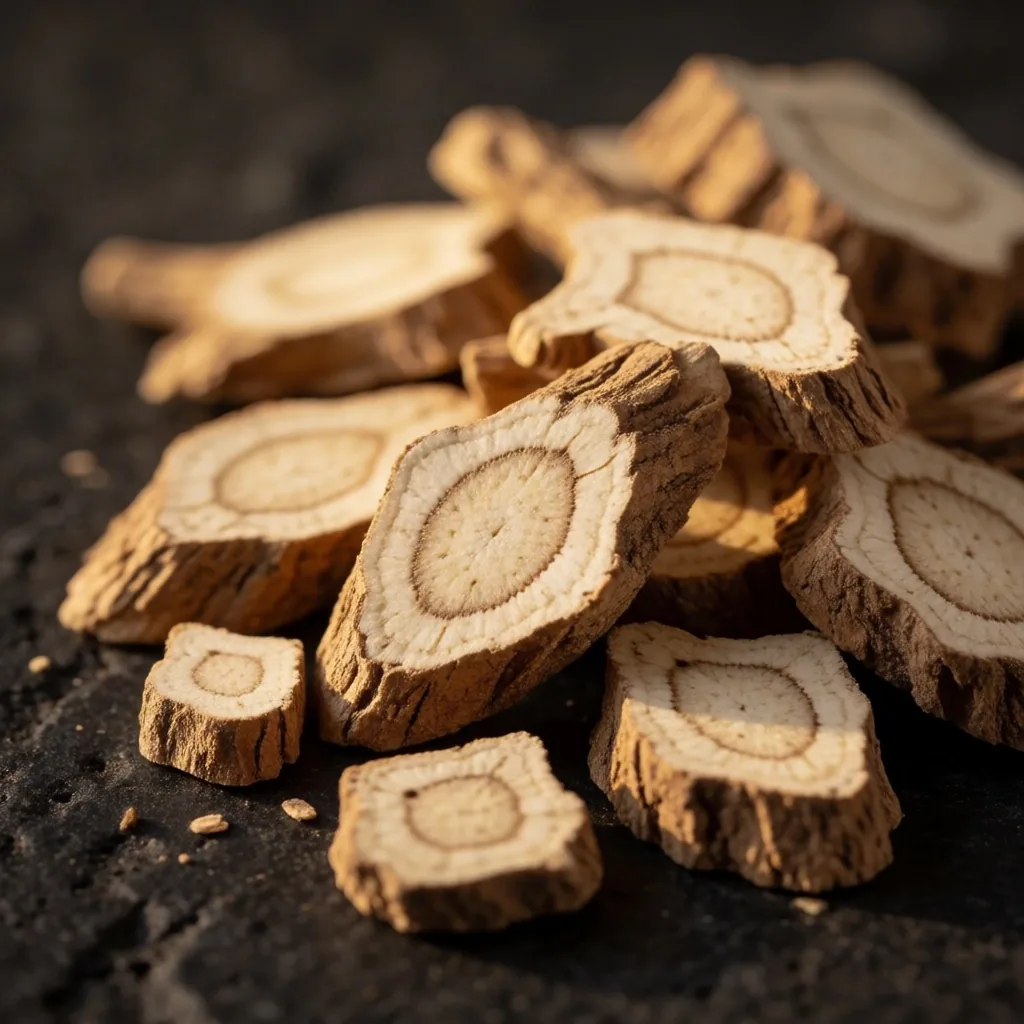
Fig. 06 · Withania somnifera
Ashwagandha is one of the most extensively documented herbs in Ayurveda, India's traditional system of wellness. Its name translates to "smell of horse" — a reference to the root's earthy scent and the traditional belief that it imparts the strength and resilience of a horse. It is classified as a rasayana, a category of botanicals intended for longevity and vitality.
The root contains a group of compounds called withanolides, which support the adrenal glands — the small organs above the kidneys responsible for producing the body's stress-response hormones. By supporting adrenal function, ashwagandha helps the body manage the physiological effects of chronic stress: the tension in the shoulders, the disrupted sleep, the afternoon energy crash.
This makes it a practical ingredient for men navigating high-pressure careers in urban environments like Jakarta, where long commutes, demanding deadlines, and limited recovery time create the exact kind of sustained stress ashwagandha is meant to address. The effect is subtle: not sedation, but a quieting of the background noise that keeps the nervous system on edge.
Origin
India, Nepal, Yemen
Key compounds
Withanolides, withaferin A
Supports
Stress balance, calm, recovery
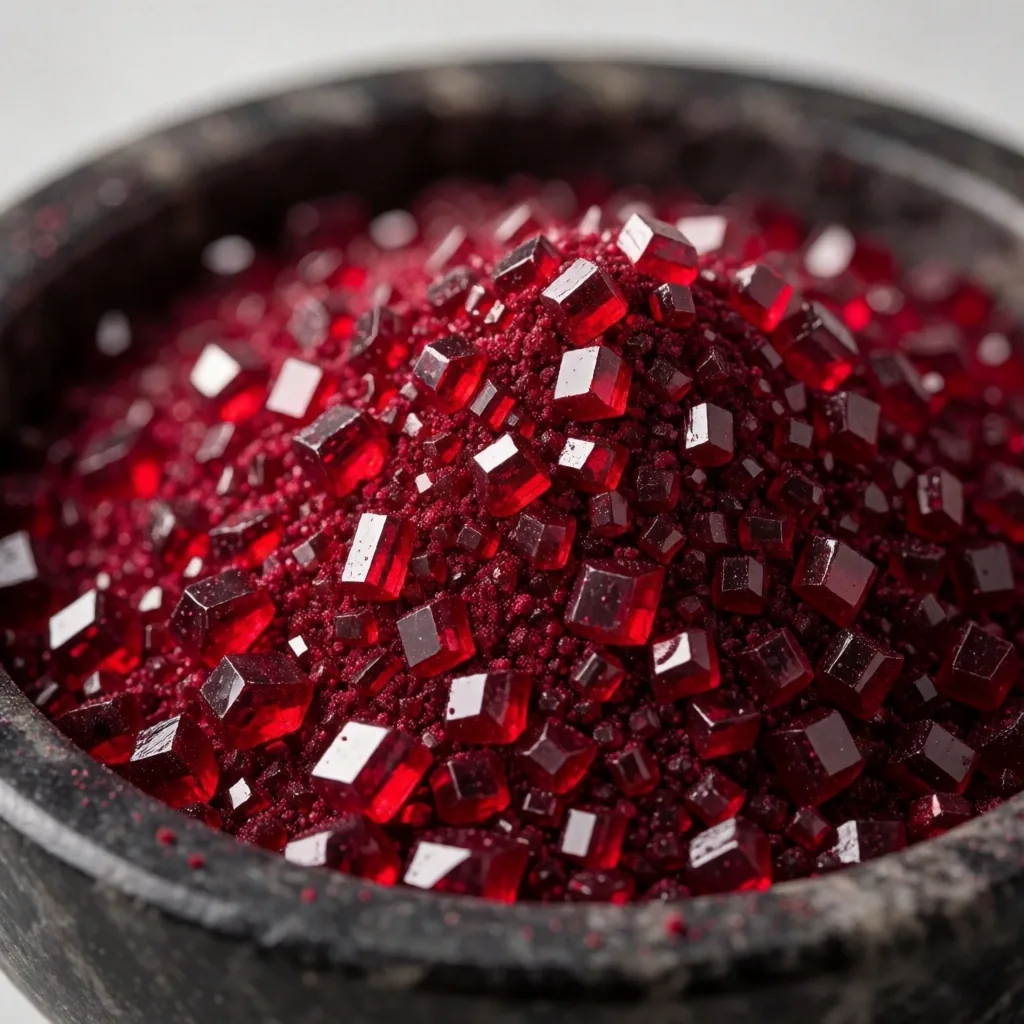
Fig. 07 · Methylcobalamin
Vitamin B12 is essential for the formation of red blood cells and the maintenance of the myelin sheath — the protective coating around nerves that allows signals to travel efficiently. Without adequate B12, red blood cells enlarge and fail to divide properly, which reduces the blood's oxygen-carrying capacity and leads to persistent fatigue.
We use the methylcobalamin form rather than the more common cyanocobalamin. Methylcobalamin is the naturally occurring version of B12 — the form found in food — and the body can use it immediately without converting it in the liver. Cyanocobalamin, by contrast, must be converted to methylcobalamin before the cells can utilize it, and a portion is lost in that process.
Origin
Bacterial fermentation
Key form
Methylcobalamin
Supports
Red blood cells, nervous system, energy

Fig. 08 · Cholecalciferol
Vitamin D3 is produced in the skin when it is exposed to ultraviolet sunlight. In tropical Indonesia, the sun is abundant — yet many men who work indoors, commute by car, or spend daylight hours in offices still show insufficient levels. D3 is fat-soluble, meaning the body stores it in fa tissue and draws from those reserves over time.
D3 participates in hundreds of physiological processes. It is essential for calcium absorption and bone density, supports muscle function, and plays a role in regulating the body's inflammatory response. The immune system also depends on D3 to activate certain defense cells. For men who spend most of their week indoors, ensuring consistent intake through supplementation is a straightforward way to support total body wellness.
Cholecalciferol is the form the body produces naturally from sunlight, which makes it more effective at raising blood levels than the plant-derived D2 form. When supplementing, it is best taken with a meal containing some dietary fa, since its fat-soluble nature means it absorbs more efficiently alongside oils.
Origin
Lanolin, lichen extract
Key form
Cholecalciferol (D3)
Supports
Bones, immune function, muscles
Quick Reference
A comparison table for quick scanning. Each ingredient listed by category, primary compounds, and the area of men's health it supports.
| Ingredient | Category | Key Compounds | Supports |
|---|---|---|---|
| Panax Ginseng | Adaptogen | Ginsenosides | Mental clarity, endurance |
| Zinc (Gluconate / Picolinate) | Mineral | Zinc ion | Skin, protein synthesis, immunity |
| Maca Root | Cruciferous root | Amino acids, macamides | Energy balance, stamina |
| Tribulus Terrestris | Mediterranean herb | Steroidal saponins | Muscle health, performance |
| Omega-3 (EPA / DHA) | Fatty acid | EPA, DHA | Heart, brain, cells |
| Ashwagandha | Adaptogen | Withanolides | Stress balance, calm |
| Vitamin B12 | Vitamin | Methylcobalamin | Red blood cells, nervous system |
| Vitamin D3 | Vitamin | Cholecalciferol | Bones, immune function, muscles |
This guide is informational. Nutrisindo supplements are not intended to replace a varied diet or professional health advice.
Continue Reading
You now have the raw material profiles. The next step is understanding how these ingredients fit into a daily routine, what questions to ask before starting, and where to reach us with specific inquiries.
01
Practical guides on building a daily supplement routine, timing intake, and combining ingredients effectively.
02
How Nutrisindo selects ingredients, sources raw materials, and approaches men's health through natural supplementation.
03
Questions about specific ingredients or sourcing? Reach our Jakarta office directly by phone or email.
Office
Jl. Salemba Raya No. 40
Senen, Jakarta Pusat, 10440
Phone
+62 21 398 3851
Hours
Mon–Fri: 09:00–18:00 WIB